

The Gold in Breathwork: Recent Musings
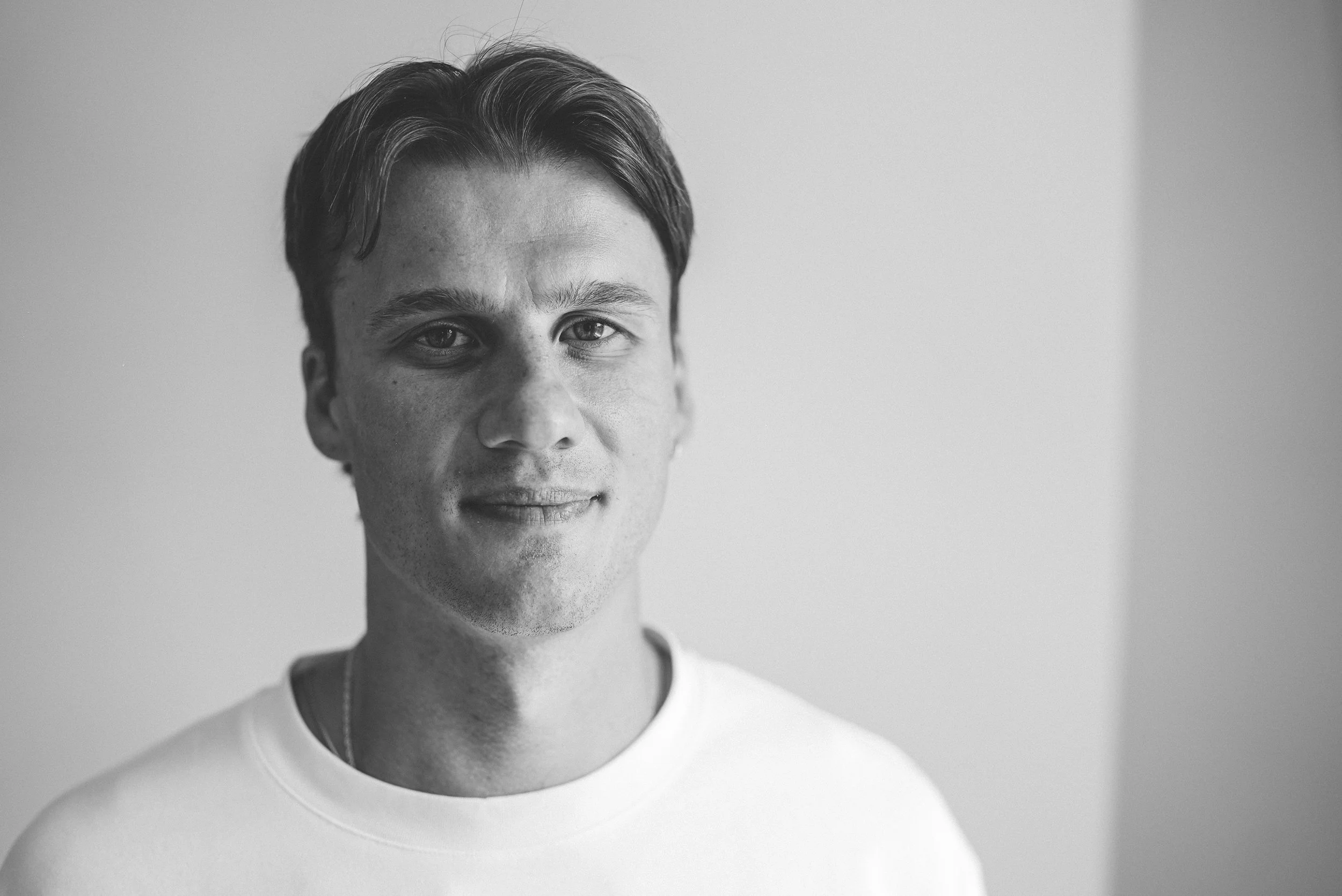
I have been pondering the state of breathwork recently.
Are we ahead of the curve? Is now the time that people start taking connected breathwork seriously as a means of reducing stress and anxiety?
I look at the figures on how many people seek therapy globally each year and how much money is spent on formulas that do not work. In the UK, the NHS Talking Therapies service handled approximately 1.8 million referrals in 2023/24, yet only about 17 percent achieved reliable recovery. Meanwhile, the annual economic burden of poor mental health in the UK is over £118bn, much of it driven by a revolving door of traditional interventions that just do not provide long term resolution.
Missing piece of talk therapy
Talk therapy primarily targets the prefrontal cortex, the executive centre responsible for conscious thought, narrative, and rationalisation. While this is effective for gaining insight, it is often insufficient for resolving chronic stress or trauma. These states are not primarily stored in the prefrontal cortex; they are encoded in the subcortical and limbic structures, such as the amygdala and hypothalamus, which govern our autonomic survival responses.
Breathwork as a “bottoms up” Intervention
Breathwork functions as a bottom up intervention. By altering physiological markers like carbon dioxide levels and blood pH, it bypasses the conscious editor of the prefrontal cortex. This allows for direct access to the deeper, non verbal layers of the brain where survival patterns are hardwired. This is the difference between intellectualising a stress response and biologically rewiring it.
So, therapy can offer insight but often fails to facilitate the physiological shift required for lasting change. The science is finally catching up. A 2025 study from the Colasanti Lab published in PLOS One confirmed that high ventilation, connected breathwork reliably evokes psychedelic like states of “oceanic boundlessness” by reducing blood flow to the brain's self processing centres, known as the Default Mode Network. By reducing blood flow there, breathwork quiets the analytical ego and the internal narrative that keeps clients trapped in cycles of rumination.
This bypasses intellectual defences, allowing the nervous system to move from cognitive analysis to the deep biological regulation required to process and release chronic stress. As the study’s lead psychiatrist, Dr. Alessandro Colasanti, explains: "Breathwork is a powerful yet natural tool for neuromodulation, working through the regulation of metabolism across the body and brain. It holds tremendous promise as a transformative therapeutic intervention for conditions that are often both distressing and disabling."
I am currently in discussions with researchers at Breathwork Bali and Precision Breathwork, where I did my training, regarding new tools that map a client’s breathing patterns and rhythm during a session. The goal is to move from subjective observation to data driven facilitation. By identifying specific physiological markers, we can offer targeted interventions that allow clients to bypass common blocks and reach deeper states of regulation.
In a market dominated by quick fix solutions - fat loss jabs, pharmaceuticals, meal replacements, and five minute stress hacks - this focus on fundamental, data backed physiology feels quite rare. We are moving toward a model where breathwork is not just an anecdotal experience, but a precision tool for mental and physical health. Pretty cool.
Fat Loss Jabs and breathing
Back to fat loss jabs…
Taking fat loss jabs while breathing shallowly into the chest creates a massive biological conflict. When you breathe in this way, you blow off too much carbon dioxide. This triggers a shift in blood chemistry where oxygen is prevented from being released into your cells for oxidation. This chemical imbalance keeps cortisol high, signalling to your body to store fat and metabolically sabotaging the medication’s attempt to do the opposite.
Breathing is quite important, especially if you are taking fat loss jabs.
Altered States, Lizards, and Breathing Mechanics
Altered states (refer to mental conditions that differ significantly from the normal waking state of consciousness, can include getting drunk) are awesome, but they have to be supported by solid breathing mechanics. When we connect our breath, we blow off more CO2 than normal, known as hypocapnia, which shifts blood pH higher. When the blood is more alkaline, the frontal lobe quiets and emotional memories from the more primitive brain can be released.
We can enter an altered state with a chest dominant breath, but that is not supportive for most of our waking hours. You will feel wide open after entering an altered state, but your subconscious breathing pattern will have had a manual workout in the chest, which actually signals danger to your system, especially if you spend 99 percent of your day there.
Chest breathing is not inherently bad, of course, we need it for high intensity work, but we don’t need it as much as some of us have it…
The new frontier of breathwork is supporting these powerful altered states with solid mechanics. This requires strong diaphragmatic engagement to create a full range of breath through the abdomen and pelvic floor, alongside intercostal muscles that work reliably to create 360-degree rib movement. This provides dynamism in the breathing shape and rhythm from the abdomen to the chest, all without the need to recruit the traps and neck muscles.
You don’t need to breathe more
When I first started Breathwork, I was doing the Wim Hof Method; my ego was massive, and I was trying to take in as much oxygen as possible. It just blew me out of my Window of Tolerance, our optimal arousal zone where we can feel our emotions. I felt serious panic, and nothing really changed in my life. It reinforced the part of me that felt like it needed to prove myself, when what I needed was safety, softness, and stability.
This is why I love nervous system informed methods, such as FBR. We combine touch, bodywork, breathing, and movement into a mixture and dose this into the client’s system, all with the nervous system in mind. This combination of ingredients can create seismic shifts in the client’s breath and in their life experience.
As research into bottom-up processing, like the work of Dr. Bessel van der Kolk, shows, we cannot talk our way out of trauma; we have to address the physiological state first. This co regulation is the biological bridge that allows a client's system to finally feel safe enough to let go. This is where the real transformation can occur.
Safety, Safety, Safety
This work is not like yoga or sound baths. It works deeply with your nervous system. Through Polyvagal Theory, we see three states:
Ventral Vagal: Safety and connection.
Sympathetic: Fight or Flight, triggered by too much intensity.
Dorsal Vagal: The Freeze or shutdown state.
What I see in a lot of breathwork is that clients enter sympathetic and dorsal states without any ground or safety. That just retraumatises the individual.
If we have appropriate safety, all three states are welcome, but we need to be able to pendulate through them all, both during the session and in our day to day life.
What breathwork allowed me to do was enter my own “freeze state (dorsal vagal)”, and then with safety, touch, and bodywork, re enter the ventral vagal state. That is a corrective experience, and can be profoundly healing.
We all have trauma either major life event Trauma or a collection of smaller traumatic events - Breathwork can allow us to re-engage with those events in safe way - helping us to complete incomplete stress responses and move forward with a new embodied feeling.
If these principles are followed, breathwork could finally be taken seriously as a legitimate therapeutic intervention.
Thank you for reading, Will
