

The similarities between mind-based breathing tools and fat loss jabs
One of the greatest shifts in my life was the moment I realised I had a “diaphragm.”
We’ve become a culture obsessed with the shortcut. We want the fat loss jab to bypass the metabolism, the Huel shake to bypass the kitchen, and the turmeric shot to bypass the systemic inflammation of a high-stress life. We’ve turned health into a series of "hacks" and chemical overrides.
But you cannot "hack" your way out of a frozen engine.
To be honest, I didn’t pay much attention at school. Being in a classroom was quite a problematic experience for me, especially listening to science teachers drone on about physiology. I imagine most of the clients I see did listen in their science classes, BUT they still cannot engage their diaphragm. This is problematic if you want to feel yourself and the world around you.
Historically, the Ancient Greeks believed the diaphragm was the seat of emotions and mental well-being. They called it the "Phren," linking it directly to our mental faculties. They knew then what we’ve forgotten now: your emotional state is physically anchored to this muscle.

The Ancient Greeks talking about the importance of the diaphragm
~800 BC to 146 BC.
When looking at the importance of the diaphragm in breathing, there are 3 key mechanical pillars to consider:
Vagus nerve: The vagus nerve passes through the diaphragm. When the diaphragm descends and rebounds, pressure changes in the chest and abdomen influence vagal activity, supporting calm, presence, and regulation. Shallow, chest-only breathing reduces that support.
Phrenic nerve: The phrenic nerve drives the diaphragm. If breathing is shallow or held high in the chest, the diaphragm contributes less and accessory muscles take over. Breathing becomes more effortful and less stable, putting more pressure on all your major systems.
Gut motility: Diaphragmatic movement generates gentle pressure waves through the abdomen. This supports circulation, lymph flow, and digestive activity. Reduced motion means less internal movement and sensory feedback.
A lot of my clients come to me with a diaphragm that barely moves; they often experience a tender abdomen and sluggish gut motility. Most of this is explained through limited diaphragm function.
A lot of this work is about feeling different pathways of breathing - feeling breath (pressure) move into different areas of your body. This is where I have experienced the greatest shifts in my life.
This is quite tricky to do online. Actually, to get the diaphragm moving in a wave-like manner often requires hands-on touch and bodywork. If it has been laying “dormant” for a while, it will need a gentle dose of co-regulation to start the engine again.
How many people are getting sold down the path of “do these online mind-based 4-7-8 or box breathing methods” to create long-term regulation in the nervous system?
I believe these are just plasters over dysfunction. Mind-based breathing is a manual override - you are staying in your head, trying to "think" your way into a calm state while your chest remains stagnant. It’s a temporary hack.
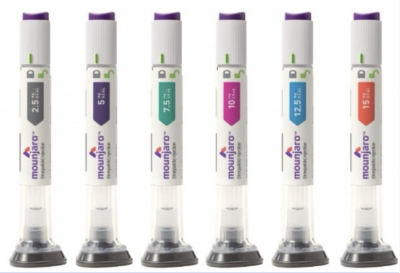
It’s like taking a fat loss jab to lose weight.
Great, you look better for a minute, but the underlying hardware and chemistry haven't moved. Mind-based tools and fat loss jabs are functionally identical: they chemically or consciously suppress a signal without fixing the system.
The reason people "return to being fat"—reverting to shallow chest breathing 10 minutes after a mind-based session—is CO2 sensitivity. Your brainstem has chemoreceptors that act as a thermostat for blood pH. If the physical mechanics of the diaphragm are frozen, you aren't off-loading CO2 efficiently. Your brain perceives this chemical buildup as a suffocation threat and triggers a survival reflex: a gasping, chest-dominant breath.
Mind-based "tricks" are just a conscious override of a biological alarm. Body-based work trumps it because restoring the diaphragmatic wave physically clears the CO2 and resets the thermostat. If the hardware is frozen, your brain will keep sensing "suffocation" and force you back into your chest every time. The chemistry is why the habit sticks, and only body-based work shifts the chemistry for good.
A strong, functional diaphragm acts as a physical pump for the pelvic bowl. By driving breath deep into the abdomen, you increase intra-abdominal pressure and blood flow to the reproductive organs, which directly heightens sensory feedback and interoception—the literal ability to feel pleasure and arousal.
Creativity and sexuality both require the nervous system to shift out of a "protective" (sympathetic) state and into a "preceptive" (parasympathetic) state. If the diaphragm is stagnant, the body remains in a state of high-alert contraction. Restoring the diaphragmatic wave releases this chronic tension, allowing for the fluid movement and lowered inhibition necessary for both creative flow and sexual presence.
To be clear, this post is slightly tongue-in-cheek. I use mind-based breathing tools from time to time in client sessions; they can be a very helpful morphine shot to the arm, especially when feeling anxious in busy places.
I just find it funny how short-term this world is becoming, especially with the proliferation of "breathwork coaches" doing online sessions and getting paid to help someone count their breathing in and out of their nose.
Enjoy!
Will
