

Why Breathwork is not breathwork?
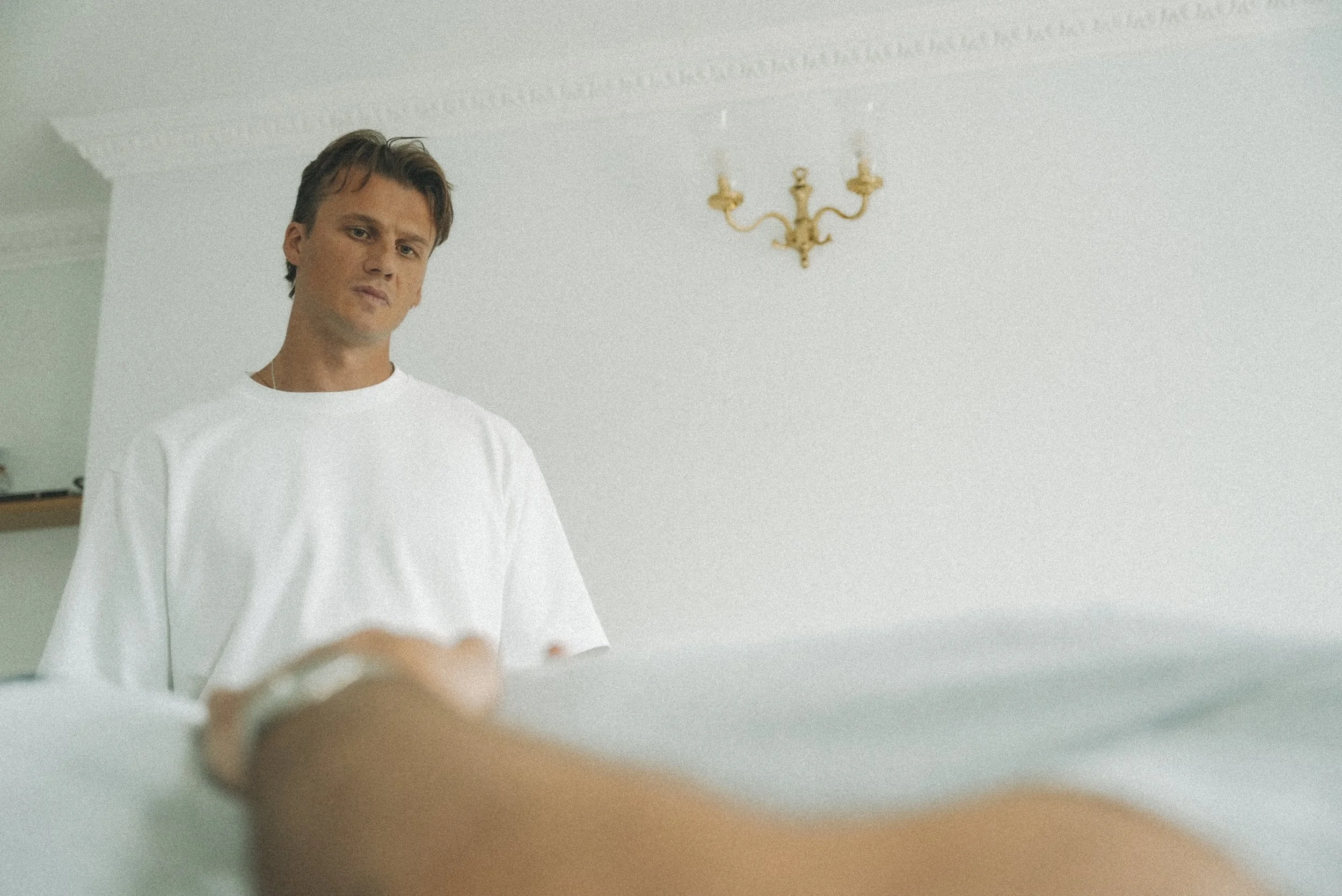
What happens when the breath is given structure, safety and time
Yesterday my client said to me, “I never knew this is what breathwork was like before doing these sessions with you, Will.” He has been working with me for around six months and was one of my first clients, and I am genuinely grateful for him and for the trust he has brought into this work.
It reminded me again that breathwork is not breathwork, at least not in the way people usually think about it.
Hear me out.
What breathwork is for me and for the people I work with is not simply a set of breathing techniques, but a safe container to process whatever someone is currently going through in their life. Of course the mechanics of the breath matter and learning how to breathe with more stability, control and awareness is a prerequisite, but the real value comes from creating enough safety and permission for people to express what is actually present for them in the moment.
Over time, I have seen most emotions show up on the table, including rage, sadness, joy, anger and extreme grief, often in forms that surprise both the client and me. What consistently strikes me is not the intensity of what emerges, but how precise and relevant it is to what that person is dealing with in their life.
What happens on the table has a direct relationship to real life. I see clients who struggle to express boundaries and notice that they cannot make sound. I see clients who self-sabotage and notice that they struggle to keep the breath moving. I see clients who arrive in strong overachieving patterns and notice that they breathe as if they are constantly about to take off.
Everything I observe in the breath, I can see in how that person lives.
From my experience, and from what clients often reflect back to me, traditional talk-based therapy does not always reach the same place. Not because it is wrong or limited, but because the body does not organise itself through language. The body communicates through sensation, tension, holding, rhythm and impulse, and the breath provides a direct way into that communication.
This work does not come from the breath alone. It is the combination of breath, precise bodywork, touch, sound and movement that allows these patterns to surface and be experienced, rather than analysed from a distance.
Before clients even get onto the table, I often ask a small number of questions that are designed to loosen habitual thinking and bring attention into the body. This is not about insight or problem solving, but about priming the system to relate from a more embodied place before the physical work begins. This combination works particularly well with body-led practices such as Facilitated Breath Repatterning.
The results are not always subtle. Sometimes the shifts are dramatic, especially when long-held emotion or sensation comes into awareness. What matters more than intensity, though, is how these experiences translate into daily life. Clients begin to act with greater alignment between what they feel, choose and do, with more capacity to meet emotion, clearer boundaries, and action that feels grounded rather than reactive.
I have seen some truly significant things happen on this table, and it feels very clear to me that this is only the beginning.
